
The International Skating Union to Allow Russian and Belarusian Skaters Back to Competition Under New Guidelines
As the war in Ukraine continues, Russian and Belarusian athletes will be allowed to chart a new way forward without representing their home nation

On June 30, 2026, the International Skating Union (ISU) decided to revise the specific rule banning Russian and Belarusian athletes from participating in international events.
The rule, originally introduced after Russia’s invasion of Ukraine on Feb. 24, 2022, has now been revised to allow these skaters to come back under the status of “Athletes with Individual Neutrality” or AIN.
With this rule change, there are still several things that athletes from Russia and Belarus will not be able to do.
According to the revision’s written document, “Athletes representing Russia and Belarus will be able to compete without items of state recognition, namely national flags, national kit and national anthems. Participation will be dependent on no evidence of breaches of athletes’ neutral status, which reinforces the primacy of fair sport on the ice.”
But why were these athletes banned in the first place?
The Olympic Truce started as an ancient tradition in the ancient Olympics by three kings. It was supposed to promote peace and safe travel between the three lands during the Games. In 1990, the International Olympic Committee (IOC) decided to revive the tradition. It has been a crucial part of the Olympics ever since.
The IOC says that the purpose of the truce is to protect “the interests of the athletes and sport in general, and to harness the power of sport to promote peace, dialogue and reconciliation more broadly.”
Though this initiative is highly symbolic, it is a part of the Olympics and the movement they support to promote peace and community through sport.
However, the sincerity of Russia’s truce was called into question when Russia invaded Ukraine shortly before the Paralympics started later on that month.
Due to this, the Russian Olympic Committee (ROC) was formally suspended from attending and participating in international events after their previous suspension following the discovery of a state-sponsored doping scandal in 2014.
They have been under that same suspension for the past four years; the specifics of that suspension only changed recently with the addition of the Athletes with Individual Neutrality clause that was added this year and allowed some Russian and Belarusian athletes to participate in the 2026 Milano Cortina Winter Olympics.
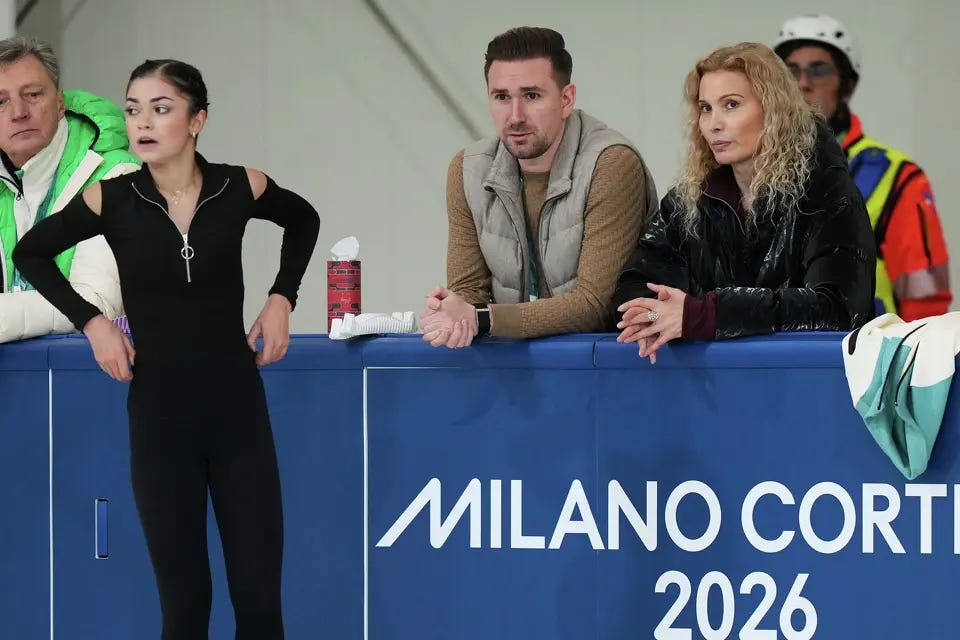
Though some Russian and Belarusian athletes are now allowed to participate in international events, the path to becoming an AIN isn’t easy. Each athlete has to meet all of the qualifications set forth by the IOC and the ISU before they can be considered for a neutral status.
While the technical qualifications differ from sport to sport, the qualifications that every AIN must meet is the qualification that the IOC directly states as “having not acted against the peace mission of the Olympic Movement by actively supporting the war in Ukraine,” and, “Individual Neutral Athletes, and support personnel who are contracted to the Russian or Belarusian military or national security agencies, may not participate.”
The first qualification might be self-explanatory; the athletes themselves cannot actively support the war. Whether that be through monetary support, public support, or through other displays of support.
It’s the second qualification that becomes a bit blurry for these athletes.
In Russia, elite level athletics, such as elite level figure skating, is directly funded through the government with the Ministry of Sport of the Russian Federation. The same government that is funding and continuing this invasion.
Many people have argued that a government directly funding a sport should be considered ‘support personnel,’ and in accordance with the new guidelines set into motion by the IOC, if a support personnel member directly supports the war, shouldn’t that make all the athletes disqualified?
Despite this, the IOC confirmed that they will continue monitoring the ROC and Russia’s activities surrounding the war; however, even with their reintroduction to international events, there are still several restrictions on their participation.
As of now, the athletes that are granted a neutral status will still not have a flag, an anthem, or any national attire or colors on display during these competitions.
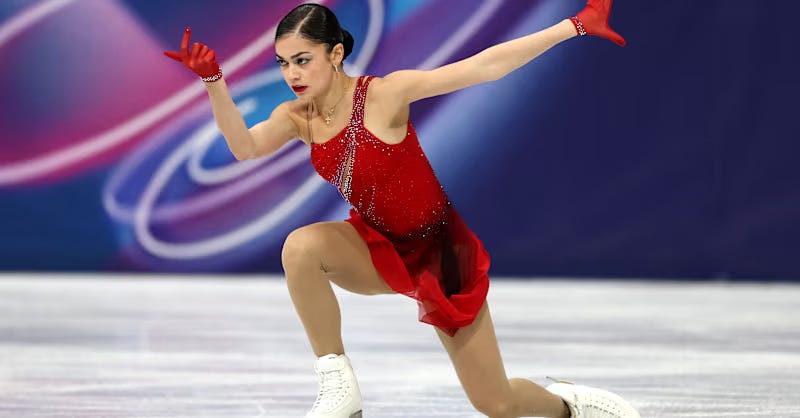
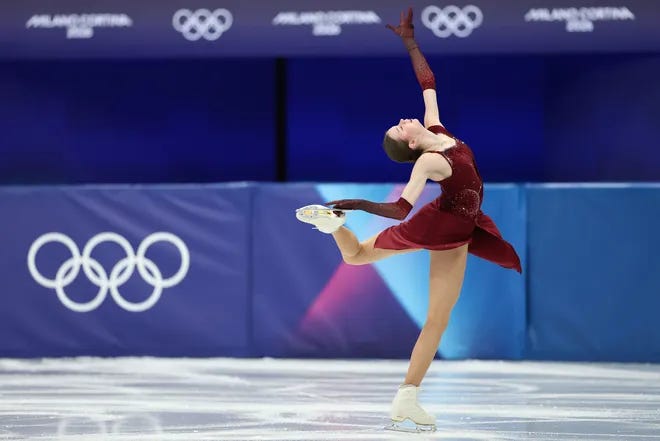
Recently, during the 2026 Milano Cortina Winter Olympic Games, the IOC allowed for select Russian and Belarusian figure skaters to compete with neutral status: two women’s singles skaters, Adeliia Petrosian (placed 4th) and Viktoriia Safonova (placed 26th), and one men’s singles skater, Petr Gumennik (placed 6th).

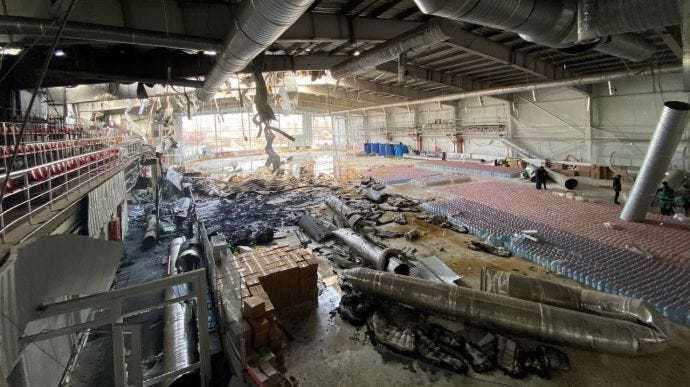
With the Russians' and Belarusians’ actual neutrality still in question, Ukrainian skaters continue to compete despite the destruction many ice rinks around Ukraine are facing.
There are still several elite level skaters finding a way through the struggle, though they are few. So few that Ukraine was only able to send one skater to the 2026 Milano Cortina Olympic Winter Games.
For many skaters, training is extremely difficult while Ukrainian cities, towns, and even the facilities they usually train in are under Russian attack.
Though figure skating has gone through numerous changes throughout the decades of its notoriety and through Russia’s previous suspension, the reintroduction of Russian and Belarusian skaters could cause even more changes, both on and off the rink.